The Journey From Mountain to Mug: Why Your Coffee Choice Matters
Your morning coffee ritual is more than just caffeine delivery. That first sip, the aroma filling your kitchen, the warmth of the cup in your hands—it's how millions of us transition from sleep to the day ahead. But how often do we think about the journey those beans took to reach our cups? Behind every brew lies a story of farmers, landscapes, and choices that ripple far beyond that moment of morning enjoyment.
Coffee From the Roof of the World
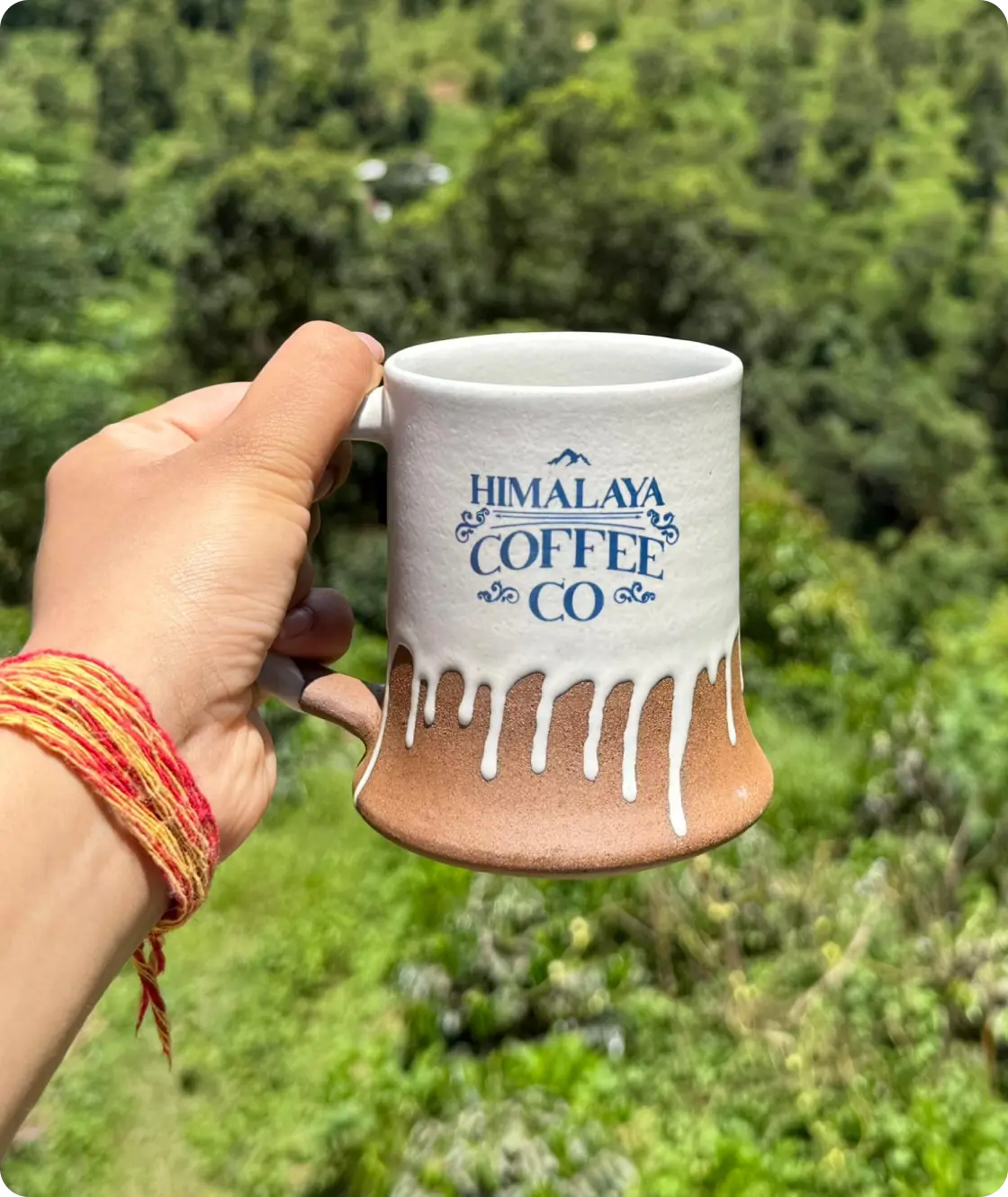
The Himalayan region isn't typically associated with coffee in the way that Colombia or Ethiopia dominates our mental maps of coffee origins. Yet these towering mountains and their foothills create conditions that produce some of the world's most distinctive coffee. High altitude, dramatic temperature variations between day and night, mineral-rich volcanic soil, and abundant rainfall combine to create an environment where coffee develops complex, nuanced flavors that lowland crops simply cannot match.
Himalayan coffee grows slowly in these challenging conditions. The stress that would harm other crops actually benefits coffee, concentrating sugars and developing the compounds that create depth and character in your cup. The result is beans with bright acidity, floral notes, and clean sweetness that reflects the pristine mountain environment where they matured.
Small-scale farmers tend these crops on terraced hillsides, often using traditional methods passed down through generations. They're not industrial operations with mechanized harvesting. They're families cultivating coffee alongside other crops, integrating it into agricultural systems that have sustained communities for centuries. This traditional approach creates coffee with character and story—something genuinely special compared to mass-produced commodity beans.
What Fair Trade Really Means
"Fair Trade" appears on countless products now, sometimes feeling more like marketing language than meaningful commitment. But when applied properly to coffee, it represents something genuinely important—a framework ensuring that the farmers growing your beans receive fair compensation for their labor.
Traditional coffee trade has historically exploited producers. Middlemen and large corporations captured most value while farmers—the people doing the actual difficult work of cultivation—received minimal payment. Many coffee farmers globally live in poverty despite producing a crop that generates billions in retail value. This imbalance isn't just unfair; it's unsustainable and undermines the quality of coffee itself.
When you buy fair trade himalayan coffee, you're participating in a different model. Fair Trade certification requires minimum prices that cover production costs and provide living wages. It prohibits child labor and requires safe working conditions. It supports community development through premiums that fund schools, healthcare, and infrastructure in farming regions. And it encourages environmental sustainability through organic farming practices and ecosystem protection.
This isn't charity—it's recognizing that quality coffee requires supporting the people who grow it. When farmers receive fair compensation, they can invest in their crops, improve quality, and build stable livelihoods. This creates a positive cycle where everyone benefits: farmers earn sustainable incomes, communities develop, and consumers receive exceptional coffee grown with care and expertise.
The Flavor of Ethical Sourcing
Cynics might wonder: does Fair Trade coffee actually taste better, or does it just make you feel better? The answer is both. Ethically sourced coffee often delivers superior flavor because the economics support quality focus rather than just quantity production.
When farmers receive fair prices, they can afford to be selective. They harvest only fully ripe cherries rather than stripping trees regardless of maturity. They invest time in proper processing that develops complex flavors. They maintain healthy soil through composting and sustainable practices rather than degrading land with chemical-intensive farming. These quality-focused practices directly impact what you taste in your cup.
Himalayan coffee specifically offers tasting profiles that surprise people expecting harsh, bitter flavors. Instead, you'll discover bright citrus notes, floral aromatics reminiscent of jasmine or lavender, smooth body without excessive acidity, sweet finish with hints of honey or caramel, and clean aftertaste that doesn't linger unpleasantly. These characteristics reflect both the unique growing conditions and the careful cultivation that Fair Trade economics support.
Beyond the Cup
Coffee represents one of the world's most traded commodities. The choices we make as consumers genuinely impact farming communities thousands of miles away. When you consistently purchase Fair Trade certified products, you're voting with your wallet for a more equitable global trade system.
This impact extends beyond individual farmers to entire communities. Fair Trade premiums fund projects that transform regions: schools that educate the next generation, clean water systems that improve health, medical clinics serving remote villages, agricultural training that increases sustainability, and women's empowerment programs that create leadership opportunities.
Your morning coffee can literally help build a school or fund a community health initiative. That's not marketing exaggeration—it's the documented outcome of Fair Trade premium investments in producing regions.
Making the Switch
Transitioning from whatever coffee you currently buy to Fair Trade Himalayan varieties doesn't require sacrifice. You're not settling for inferior product to support a good cause. You're discovering exceptional coffee that happens to also support sustainable livelihoods and community development.
Start by trying different roast levels to find what you prefer. Light roasts highlight the bright, complex notes that Himalayan beans offer. Medium roasts balance acidity with body beautifully. Darker roasts develop rich, chocolatey depths while maintaining the smoothness that defines quality beans.
Experiment with brewing methods too. Pour-over techniques showcase the floral notes and complexity. French press emphasizes body and richness. Espresso creates concentrated intensity perfect for milk-based drinks. The same beans reveal different characteristics depending on preparation.
The Bigger Picture
Climate change threatens coffee production globally. Rising temperatures push traditional growing regions beyond viable ranges. Unpredictable weather patterns disrupt the careful timing that quality coffee requires. Supporting sustainable farming practices through Fair Trade purchases helps communities adapt to these challenges while protecting the ecosystems that make coffee cultivation possible.
The Himalayan region faces particular climate vulnerability. Glaciers that provide water for farming are retreating. Temperature shifts affect flowering and ripening cycles. Supporting farmers in these regions through fair prices and sustainable practices helps them navigate environmental changes while preserving both their livelihoods and the exceptional coffee they produce.
Your Daily Choice
Every purchase is a choice. When you buy fair trade himalayan coffee, you're choosing flavor, ethics, sustainability, and community support simultaneously. You're not just getting your caffeine fix—you're participating in a global system that values people and planet alongside profit.
Your morning ritual can nourish more than just yourself. It can support farmers building better futures, communities developing essential infrastructure, and agricultural practices that protect rather than exploit the environment. All while delivering a cup of coffee with character, complexity, and a story worth knowing. That's worth waking up for.


Comments
Post a Comment